rahmen (38 x 32,5cm)
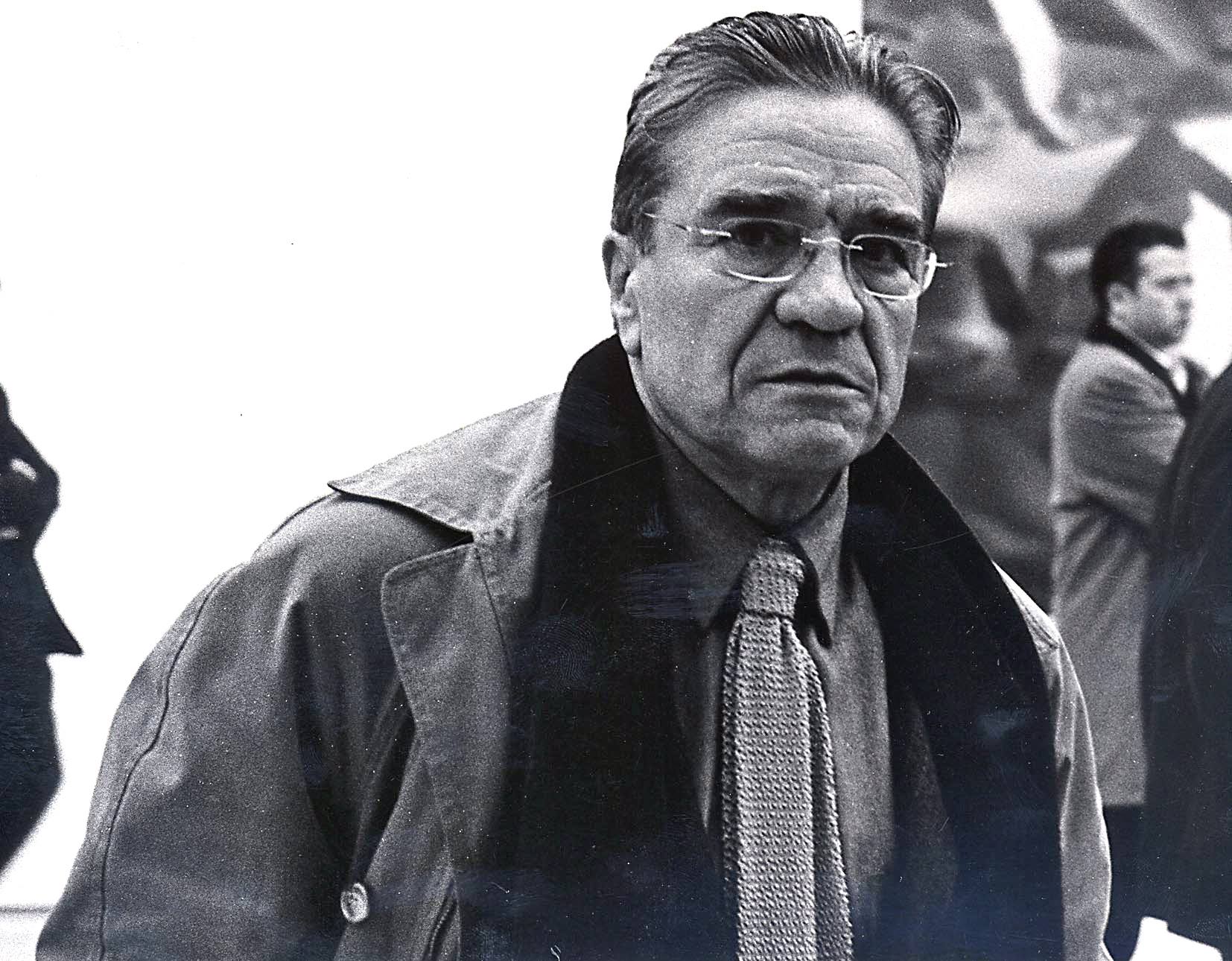
Norbert Tadeusz was a German artist and well-known representational painter of the present day.

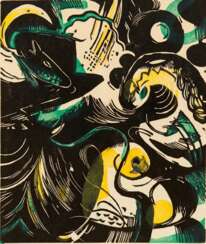

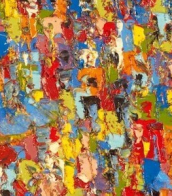
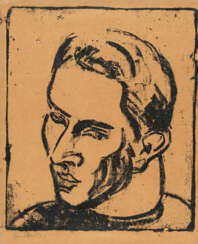

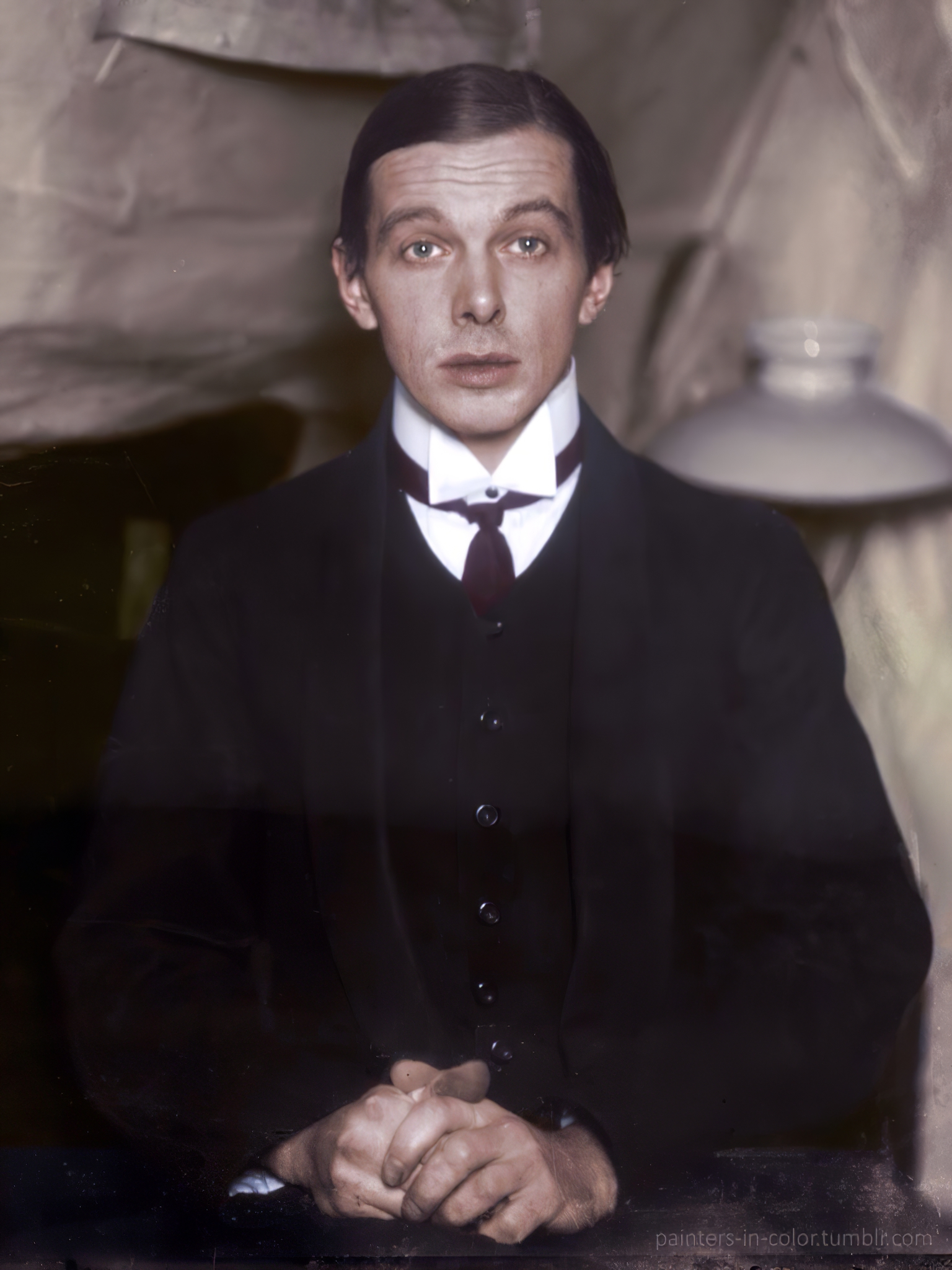
Ernst Ludwig Kirchner was a pivotal figure in the art world, known for his profound impact on 20th-century Expressionism. Born in Bavaria, Germany, on May 6, 1880, Kirchner's journey into art began with architecture studies before he found his true calling in painting and printmaking. In 1905, alongside fellow architecture students, he co-founded Die Brücke ("The Bridge"), a group that sought to revolutionize art by bridging the gap between traditional academic styles and modern artistic expression. This group was instrumental in the development of Expressionism, advocating for intense emotion conveyed through vivid colors and bold lines.
Kirchner's work, characterized by its expressive intensity and often exploring themes of urban life and the human psyche, reflects a deep engagement with the cultural and social upheavals of his time. Notably, his experiences during World War I, including a mental breakdown and subsequent discharge from military service, deeply influenced his art. Works like "Self-Portrait as a Soldier" (1915) poignantly encapsulate the personal and societal trauma of the era.
After the war, Kirchner sought solace in Davos, Switzerland, where the tranquil landscapes inspired a new direction in his work, showcasing a more serene and reflective approach. Despite his contributions to modern art, Kirchner's later years were marred by the Nazi regime's denunciation of his work as "degenerate," leading to the destruction and dispersal of many pieces. Tragically, this persecution contributed to his decision to end his life on June 15, 1938.
Kirchner's legacy is preserved through his influential body of work, from vivid urban scenes to tranquil landscapes, all marked by a distinctive, expressive style that continues to captivate art collectors and experts. His works are held in major museums worldwide, including the Museum of Modern Art in New York and the National Gallery of Art in Washington, underscoring his enduring influence on the art world.
For those interested in the profound impact of Ernst Ludwig Kirchner on modern art and Expressionism, subscribing to updates on new product sales and auction events related to his work can provide valuable insights. This subscription is an opportunity for collectors and art experts to stay informed about the availability of Kirchner's influential pieces and related events.
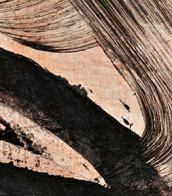



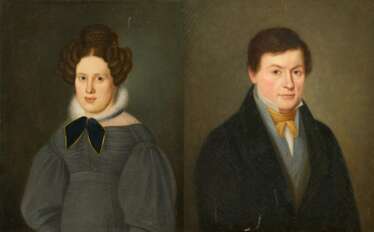

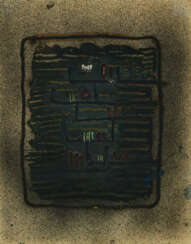

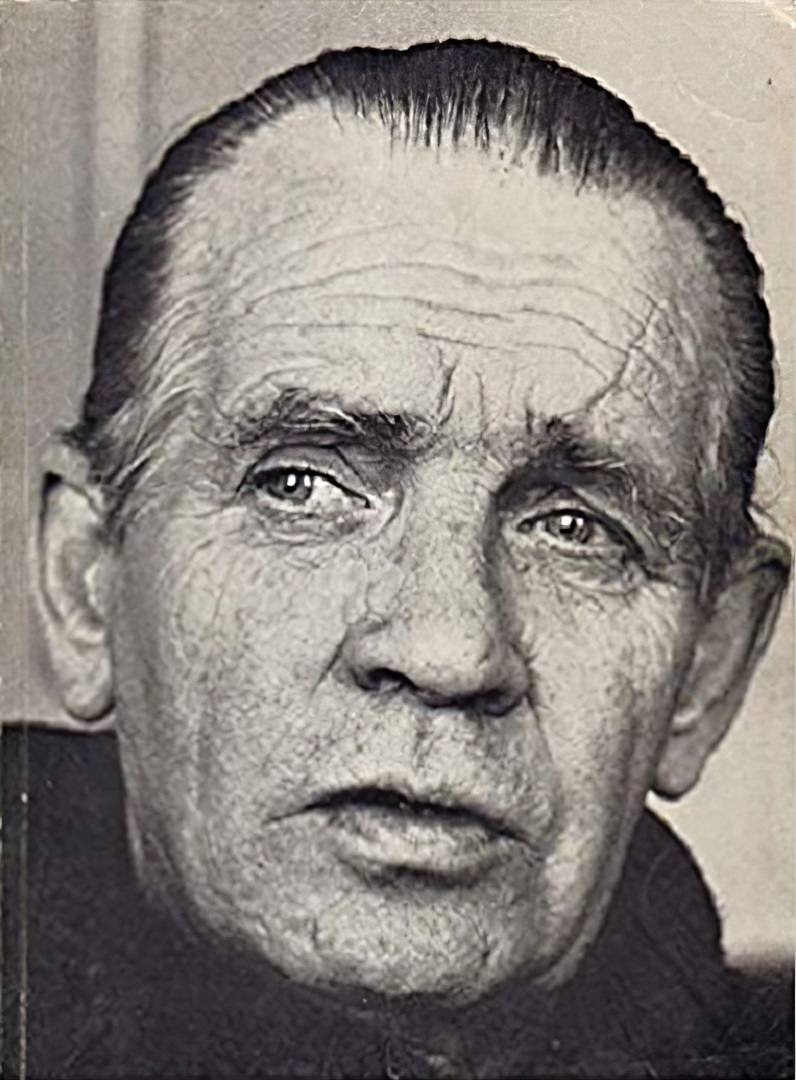
Fritz Winter was a German painter of the postwar period best known for his abstract works in the Art Informel style.
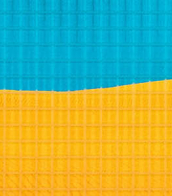


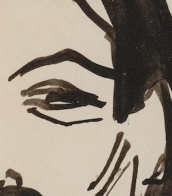
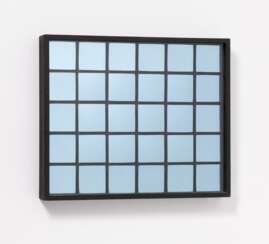



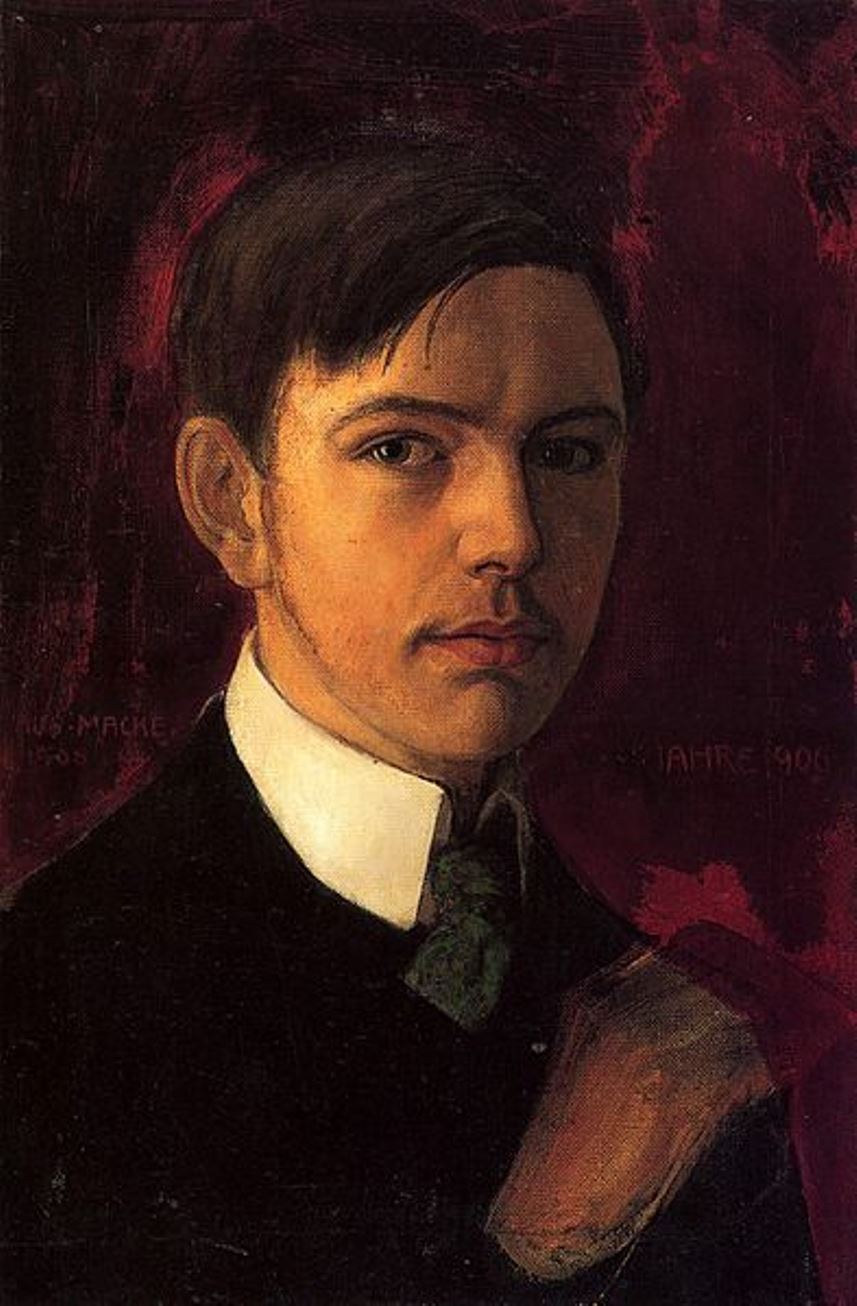
August Robert Ludwig Macke was an eminent German expressionist painter, founder and member of the Blue Rider association. His very colorful and individual style is today referred to as the Macke style, characterized by a harmonious combination of colors and the play of light effects. His favorite subjects of his works were sketches from the life of the city, as well as nature and man. The paintings of August Macke give an impression of joy and lightness.


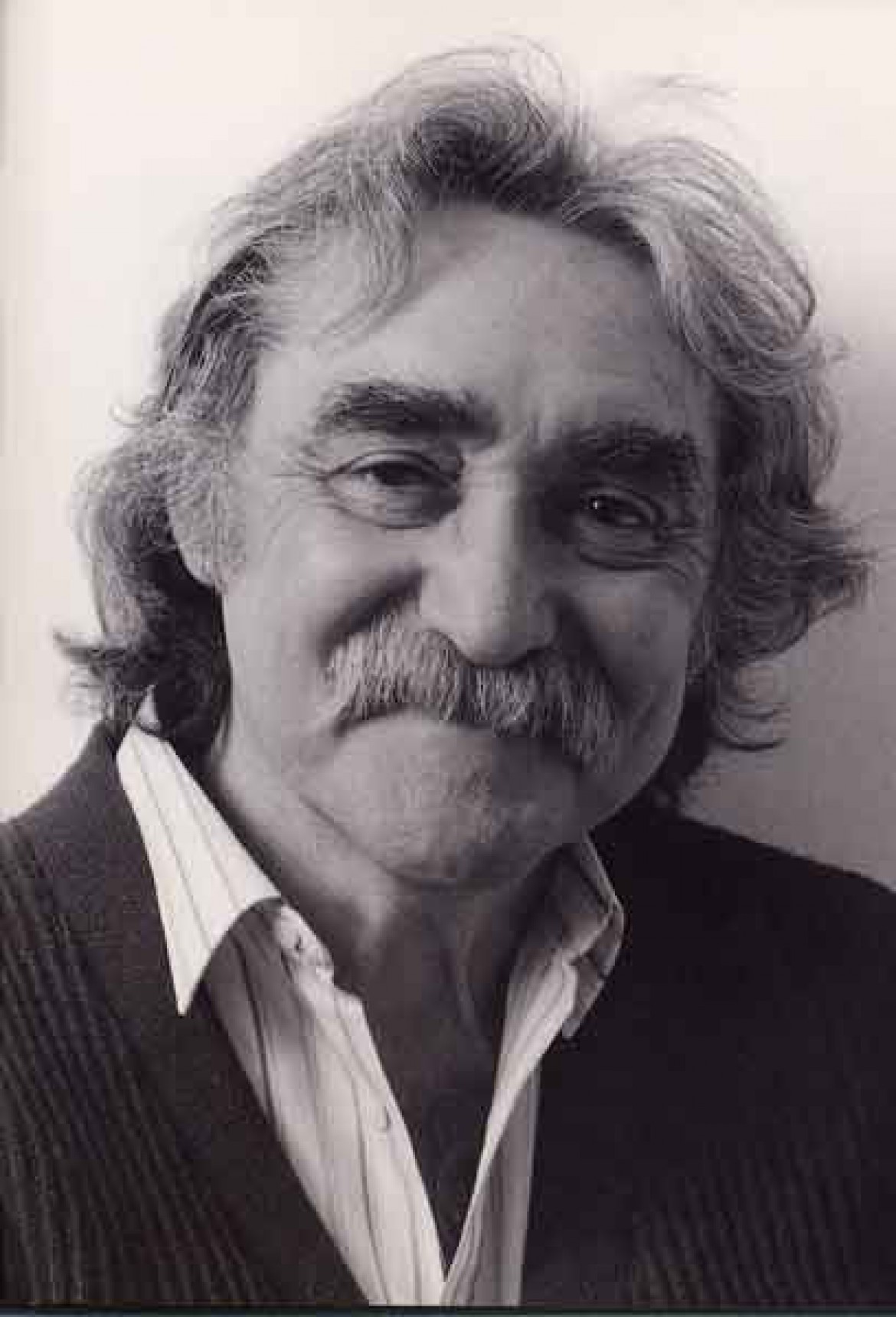
Jesús Rafael García Soto was a Venezuelan artist, renowned for his pioneering work in kinetic and op art, which sought to create an immersive experience that blurred the lines between the artwork and the viewer. Born in 1923, Soto embarked on a journey that would see him at the forefront of a movement that emphasized the visual dynamics of art, integrating sculpture, painting, and viewer participation in novel ways. His exploration of geometric abstraction and optical effects led to the development of his distinctive style, characterized by the use of materials such as plexiglass to create engaging optical illusions and vibrant, moving sculptures.
Soto's journey into the realms of kinetic art was marked by significant milestones, including his participation in the groundbreaking 1955 exhibition, Le Mouvement, at the Denise René gallery in Paris. This event was instrumental in defining the kinetic art movement, with Soto alongside artists like Yaacov Agam, Marcel Duchamp, and Victor Vasarely, presenting works that invited viewers to experience art in a dynamic, interactive manner. His quest for a new visual language led him to experiment with the dematerialization of form, creating artworks that seemed to dissolve into their surroundings, thereby challenging the viewer's perceptions of space and form.
Throughout his career, Soto remained dedicated to exploring the intrinsic relationships between space, movement, and viewer perception. His creations, ranging from the "Penetrables" series—immersive environments made of hanging strands that visitors could walk through—to large-scale murals and public sculptures, have been celebrated worldwide. His works are part of major collections and have been exhibited extensively, including at institutions such as the Museum of Modern Art in New York and the Tate Gallery in London, demonstrating his lasting influence on contemporary art.
For art collectors and enthusiasts intrigued by the fusion of art and motion, Jesús Rafael García Soto's work offers a profound exploration of the kinetic art movement's possibilities. His contributions to art are not just visual spectacles but invitations to engage directly with the kinetic energy and vibrancy of the world.
To stay updated on exhibitions and sales featuring Jesús Rafael García Soto's work, sign up for updates. This subscription ensures you're informed about new product sales and auction events related to this visionary artist, offering unique opportunities to experience the dynamism of kinetic art firsthand.


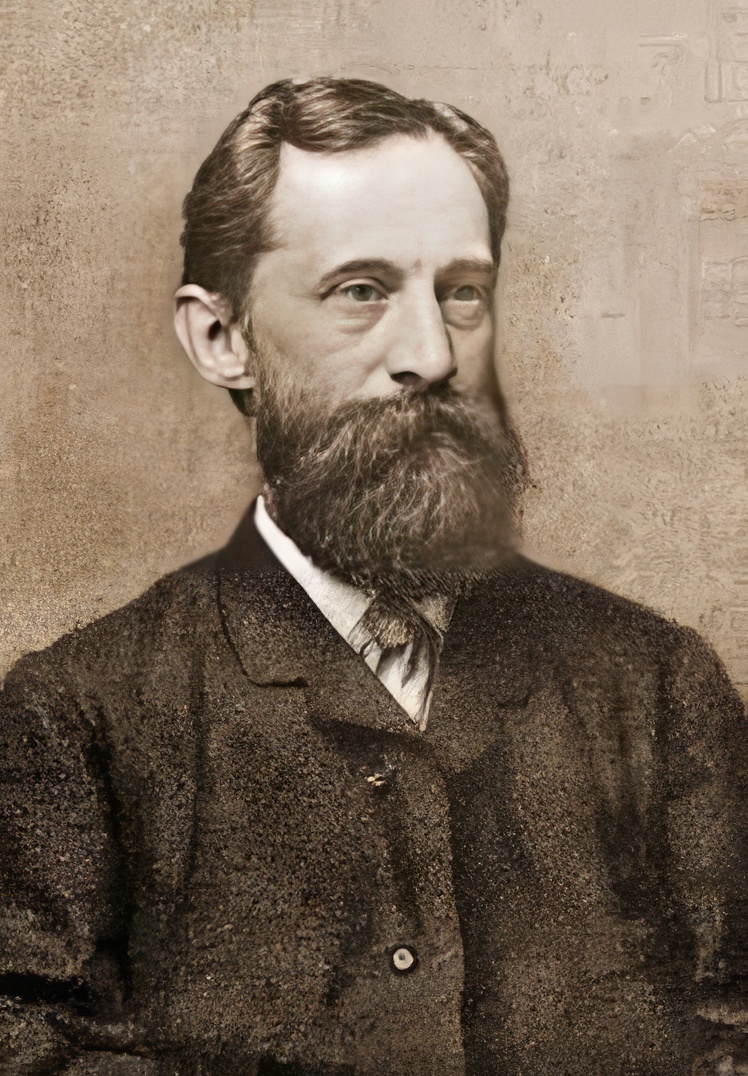
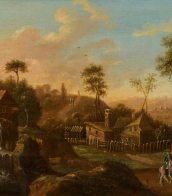
Eugen Gustav Dücker was a Baltic German painter, in the Romantic style, associated with the Düsseldorfer Malerschule.
Despite his career's roots in Germany, he spent much of his time in Estonia, where he painted idyllic landscapes of the sea and the countryside. He also made numerous trips to Holland, Belgium, France and Italy.